

.png)
Rongai Gate - Simba Camp - Second Cave - Kikelewa - Mawenzi Tarn - Uhuru Peak - Marangu Gate
7 Days Kilimanjaro Climbing Rongai Route
Introduction
Embark on a spectacular journey to the Roof of Africa with this carefully designed 7-day Kilimanjaro climbing itinerary via the Rongai Route. Renowned for its gentle ascent and breathtaking scenery, this route provides a unique experience on the northern slopes of Kilimanjaro. Ideal for climbers seeking a quieter and more gradual climb, Rongai offers stunning views of Mawenzi Peak and optimal acclimatization through its steady ascent profile. Unlike other routes, the Rongai Route begins near the Kenyan border, passing through remote wilderness, alpine moorlands, and glacier-carved ridges before reaching Uhuru Peak, Africa highest point at 5,895 metres.
Why This Route?
Gradual Ascent
The Rongai Route offers a smoother and more manageable climb, reducing altitude sickness risk and increasing summit success rates.
Less Crowded
As one of the quieter routes approaching from the north, Rongai offers a more serene and remote wilderness experience.
Incredible Scenery
Enjoy stunning views of Mawenzi Peak from the eastern side and traverse expansive alpine deserts unlike any other route.
Year-Round Trekking
Rongai receives less rainfall than other routes, making it ideal for trekking throughout the year with minimal weather disruption.
Expert Guides
Our experienced mountain guides are certified, first-aid trained, and deeply knowledgeable about Kilimanjaro terrain and ecology.
High Success Rate
The gradual ascent profile combined with a dedicated acclimatization day gives you the best chance of reaching Uhuru Peak.
Tour Highlights
- Trek from the Kenyan border through remote northern wilderness
- Cross alpine moorlands with panoramic views of Kilimanjaro
- Summit Uhuru Peak at 5,895m - the Roof of Africa
- Stunning close-up views of the dramatic Mawenzi Peak
- Gradual ascent profile for optimal acclimatization
- Camp under the stars in remote mountain campsites
- Expert guides, assistant guides, porters, and cook support
- Receive an official summit certificate from Kilimanjaro National Park
Detailed Itinerary
Each day is carefully crafted to maximise your acclimatisation and enjoyment. Below you will find a complete breakdown of every day, from the rainforest start to the summit triumph.
Rongai Gate to Simba Camp
The trek begins at Rongai Gate (also known as Nalemuru Gate), situated on the northern side of Kilimanjaro near the Kenyan border. After completing park registration and meeting your climbing team, embark on a hike through the lush rainforest. This fertile zone is home to colobus monkeys, blue monkeys, and diverse birdlife. The trail is gently graded and well-defined, making for a pleasant introductory hike. Arrive at Simba Camp at 2,650 metres (8,700 feet), set up your tent, enjoy a hearty meal, and rest in preparation for the days ahead.
Simba Camp to Second Cave Camp
After a filling breakfast, depart from Simba Camp and head towards Second Cave Camp. The vegetation transitions from rainforest to heath and moorland as you gain altitude. The trail offers fantastic views of Kilimanjaro peaks and the expansive plains below. This section of the route is known for its open landscapes and sense of remoteness. Second Cave Camp is situated at 3,450 metres (11,319 feet) in a dramatic setting with views of the surrounding moorland.
Second Cave Camp to Kikelewa Camp
Leave Second Cave Camp and trek across the moorland plateau towards the eastern slopes of Kilimanjaro. The terrain becomes more rugged as you traverse the saddle between the main summit and Mawenzi Peak. Kikelewa Camp is located in a sheltered valley at 3,600 metres (11,811 feet) with stunning views of the surrounding peaks. This relatively short day allows for continued acclimatisation with a modest elevation gain.
Kikelewa Camp to Mawenzi Tarn Camp
This day involves a significant ascent into the alpine desert zone. The landscape becomes stark and dramatic, dominated by volcanic rock and the imposing bulwark of Mawenzi Peak. The trail climbs steadily to Mawenzi Tarn Camp, situated at 4,330 metres (14,200 feet) in a high-altitude valley beneath the sheer cliffs of Mawenzi. The camp is named after the small glacial tarn (lake) nearby. This is the highest camp on the Rongai Route and preparation point for the summit push.
Mawenzi Tarn Camp - Acclimatisation Day
This dedicated acclimatisation day is critical for summit success. Spending a full day at this altitude allows your body to produce more red blood cells and adapt to the reduced oxygen. A short acclimatisation hike to a higher elevation following the climb high, sleep low principle helps prepare your body for the summit push. The day also offers incredible photographic opportunities of Mawenzi Peak and the surrounding landscape.
Mawenzi Tarn Camp to Summit to Horombo Hut
Summit day - the moment you have been training for! You will be woken around midnight for a light snack and hot drink before beginning the ascent. The climb to the crater rim at Gilman Point (5,681 metres) takes approximately 6-7 hours through the dark. From Gilman Point, it is another 1-2 hours along the crater rim to Uhuru Peak at 5,895 metres (19,341 feet). After celebrating at the summit, descend to Horombo Hut for a well-deserved rest.
Horombo Hut to Marangu Gate
The final day of descent takes you through the lush rainforest zone back to Marangu Gate. This is a long but rewarding walk through beautiful forest, offering a final opportunity to appreciate Kilimanjaro diverse ecosystems. Upon reaching the gate, complete park exit formalities and receive your official summit certificate. Transfer to your accommodation in Arusha or onward to Kilimanjaro International Airport.
Destinations Along the Route
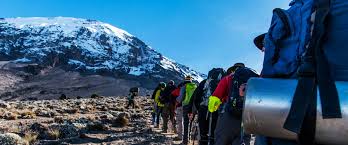
Rongai Gate (Nalemuru Gate)
The starting point of the Rongai Route on the northern slopes of Kilimanjaro near the Kenyan border. This remote gate offers a unique wilderness experience away from the busier southern routes.
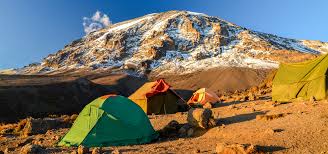
Mawenzi Peak & Tarn Camp
The dramatic second peak of Kilimanjaro, Mawenzi (5,149m) offers some of the most spectacular scenery on the mountain. The high camp sits beneath its sheer cliffs beside a glacial tarn.
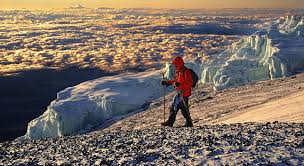
Uhuru Peak - Summit
The highest point in Africa at 5,895 metres. Standing on the Roof of Africa with panoramic views of glaciers, the crater, and the continent stretching to the horizon is the ultimate achievement.
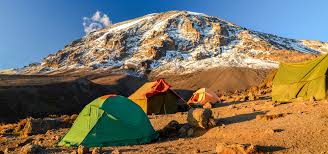
Marangu Gate
The exit point of the trek, located on the southeastern side of the mountain at 1,800 metres. From here, you transfer back to Moshi, Arusha, or Kilimanjaro International Airport.
| Included |
|
|---|---|
| Excluded |
|
| Transport |
|
Kilimanjaro Landscapes
Experience five distinct climate zones on your ascent from rainforest to arctic summit.
- Rainforest: Lush montane forest with giant ferns, colobus monkeys, and diverse birdlife
- Heath & Moorland: Giant heather, proteas, lobelias, and expansive open views
- Alpine Desert: Stark volcanic landscape with hardy lichens and dramatic rock formations
- Arctic Summit: Glaciers, ice fields, and the crater rim at the Roof of Africa
- Mawenzi Spectacular: Jagged spires and sheer cliffs of Kilimanjaro second peak
- Sunrise from the Summit: Unforgettable views from Gilman Point at dawn
Photo Gallery
Rongai Route TrailMawenzi PeakSummit ApproachAlpine Desert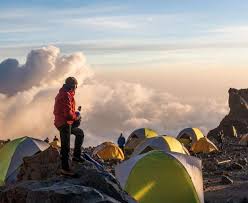 Mountain Camp
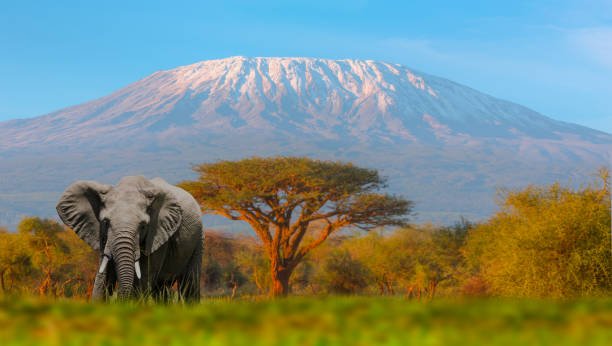 Uhuru Peak 5,895m
Location
What Our Climbers Say
Join thousands of satisfied climbers who have summitted Kilimanjaro with us.
Frequently Asked Questions
How difficult is the 7-day Rongai Route?
The Rongai Route is considered moderate to challenging. It features a gradual ascent which aids acclimatisation, but summit night is strenuous. A good level of fitness and prior trekking experience is recommended.
What is the best time to climb Kilimanjaro via Rongai?
The Rongai Route can be climbed year-round, but the best conditions are during the dry seasons from June to October and December to March. Rongai receives less rainfall than other routes.
Do I need climbing experience for the Rongai Route?
No technical climbing experience is required. The route is a trek, not a technical climb. However, a good fitness level, cardiovascular endurance, and proper preparation are essential.
What is the success rate for the Rongai Route?
The Rongai Route has a high summit success rate due to its gradual ascent profile and dedicated acclimatisation day, which allow for better adaptation to altitude.
What should I pack for the Kilimanjaro climb?
Essential items include warm layered clothing, waterproof jacket and trousers, sturdy waterproof hiking boots, trekking poles, sleeping bag rated to -10C, headlamp, sunscreen, sunglasses, water bottles, and a daypack.
Is altitude sickness common on Kilimanjaro?
Altitude affects most climbers to some degree. The Rongai Route gradual ascent helps minimise the risk. Our guides are trained to recognise symptoms and follow strict safety protocols.
What is the group size for this climb?
Our groups range from 2 to 8 climbers. Private climbs are also available. A larger group includes more support staff for safety.
Are porters included in the package?
Yes, our packages include experienced porters who carry all camping equipment and supplies. You only need to carry a daypack with essentials.
What type of accommodation is on the mountain?
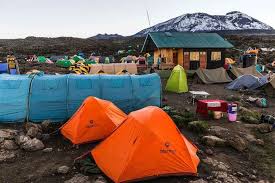
Accommodation is in high-quality mountain tents. We provide spacious 3-person tents for 2 people, comfortable sleeping mats, and a dining tent where meals are served.
What meals are provided during the climb?
Full board meals including breakfast, lunch, and dinner. Our skilled mountain cooks prepare nutritious meals with a mix of local and international dishes. Dietary requirements can be accommodated.
Do I need travel insurance for Kilimanjaro?
Yes, comprehensive travel insurance is mandatory. It must cover high-altitude trekking up to 6,000 metres, emergency medical evacuation, trip cancellation, and personal belongings.
How do I book this Kilimanjaro climb?
You can book via WhatsApp, email, or our website booking form. A deposit is required to secure your dates, with the balance due 30 days before departure.
What is the cancellation policy?
Cancellations made 60+ days before departure receive a full refund. 30 to 60 days: 50% refund. Less than 30 days: no refund. We recommend travel insurance.
Can I charge electronic devices on the mountain?
Solar charging is available at some camps. We recommend bringing portable power banks for cameras and phones. There is no mains electricity on the mountain.
Is the Rongai Route suitable for beginners?
Yes, the Rongai Route is one of the best routes for first-time Kilimanjaro climbers due to its gradual ascent and less technically demanding terrain.
What wildlife can I see on the Rongai Route?
The lower rainforest section is home to colobus monkeys, blue monkeys, bushbuck, and diverse birdlife including turacos and hornbills. Higher up, you may spot klipspringer.
How long is summit night?
Summit night starts around midnight and takes 6-8 hours to reach Gilman Point on the crater rim, then another 1-2 hours along the rim to Uhuru Peak. Total descent to Horombo Hut takes 4-5 hours.
What is the Rongai Route known for?
The Rongai Route is the only route approaching Kilimanjaro from the north, near the Kenyan border. It is known for remote wilderness, gradual ascent, stunning Mawenzi views, and fewer crowds.
Do I need a visa for Tanzania?
Most visitors require a Tanzania visa. You can obtain a visa on arrival at Kilimanjaro International Airport or apply online before travel.
What vaccinations do I need for Tanzania?
Yellow fever vaccination is required if travelling from an endemic country. Consult your doctor for routine vaccinations and malaria prophylaxis.
Ready to Climb Kilimanjaro?
Book your 7-day Rongai Route trek and experience the adventure of a lifetime to the Roof of Africa.